Packaging has long ceased to be merely a means of storing and transporting goods, but rather the public face of your brand and a key element of your market presence.
Its unique design is the consumer's first physical interaction with the product on the shop shelf, and often determines their purchase decision within seconds. Strong packaging builds an emotional connection, ensures recognition, and differentiates the business amid aggressive competition.
Which packaging components are subject to legal protection?
- The unique graphic elements, combinations of colours, fonts and illustrations, which create the overall brand image.
- The very shape of the container (for example, the iconic Coca-Cola bottle), which can be registered as a 3D trademark or industrial design.
- Specific slogans, product line names, and original descriptions integrated into the design that carry the brand's message.
Packaging brings together all the sensory and visual cues that tell the buyer what to expect and acts as a silent ambassador for your brand.
Trademark or industrial design
The choice between registering a trademark and an industrial design is among the most common dilemmas businesses face when it comes to protecting product vision. The fundamental difference lies in their legal function and scope. A trademark aims to indicate the origin of a good and link a specific product to its manufacturer in the minds of consumers. It protects market identity, logos, names, and specific colour combinations, and can be renewed indefinitely every ten years. On the other hand, an industrial design solely protects the new and original external form, ornaments, or aesthetic appearance of an article, regardless of who produces it, but its maximum term of validity is limited to twenty-five years.
Product packaging occupies a unique position as it combines the characteristics of both protection modes. Packaging itself is the physical container – a box, bottle, vial, jar or flexible wrap – that holds the goods and simultaneously serves as the primary advertising space.
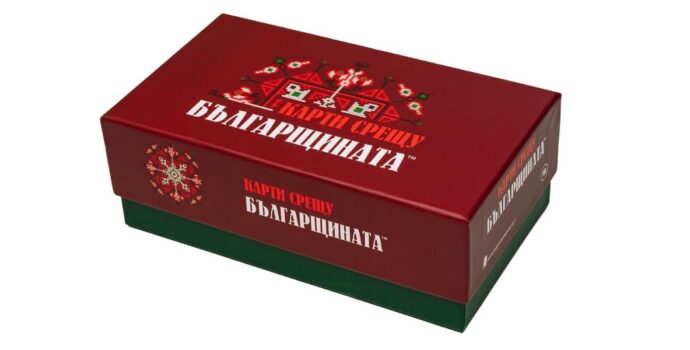
- The graphical layout of the label, the placement of the fonts, and the specific logo are considered a trademark as they directly brand the product.
- At the same time, the three-dimensional configuration of this very container, its innovative shape, relief or unusual geometry, constitutes industrial design because it changes the aesthetics of the object.
Due to this dual nature, packaging is a complex intellectual property object that requires a combined approach. Therefore, the best strategy for protecting an original box requires simultaneously filing an application for a design, which protects the innovative shape, and for a trademark, which prohibits competitors from using similar visual and verbal signs on their goods.
What are the risks if we miss legal protection?
Failing to secure legal protection for your product packaging exposes your business to enormous financial and market risks the moment your product becomes successful. Without an official document from the Patent Office, you are effectively gifting the fruits of your labour to competitors who are just waiting to copy you. What are the real risks?
- The emergence of market fakes and imitations - competitors can freely copy the design of your foil or box, with the aim of confusing buyers and stealing your traffic and sales.
- When customers purchase a low-quality imitation product that looks identical to yours, the negatives and bad reviews will fall entirely on your brand.
- An unscrupulous company could register your original packaging as its own trademark and legally prohibit you from using it, forcing you to change the design.
- If you are forced to stop production of the current packaging, you will lose all investment in printing, blanks, marketing, and distribution.
When is the right time to register?
The precise moment to initiate the procedure is before The product and its new packaging are to be presented to the customer base. In intellectual property law, there is a firm rule of „novelty“ for industrial design.
If you display the packaging on social media, at an exhibition, or release it into the retail market before filing a registration application, you will forfeit its novelty and lose the right to a legal monopoly. The law does provide a one-year grace period from the first public disclosure, but waiting for it is risky as competitors could get ahead of you.
If the packaged product has been on the market for a long time without protection and imitators have already appeared, the situation is more complex, but not hopeless. In this case, the path to registering an industrial design is most likely closed due to a lack of novelty.
The best move here is Registration of a combined trademark for the graphic design of the label and film. Trademarks do not require absolute novelty, but are based on market recognition. Once you acquire trademark rights, you can use the Competition Protection Act (CPA) against imitators for unfair competition and imitation of market appearance, to force them to withdraw their packaging from the market.
And yet – why are there so many similar packages on the market?
The reason for the existence of so many similar product visions on the market lies in the balance between manufacturing standards and functionality. A classic example is yogurt pots – almost all brands use the same cylindrical or conical plastic shape with aluminium foil on top.
This is a generally accepted standard, dictated by logistics, automated filling machines in dairies, and the dimensions of refrigeration shelves in shops. No brand can register the concept of a „pot“ itself, because it is a standard industrial product with a purely technical function.
Brands exist and thrive without impeding each other because they rely on their combined brand recognition. Although the shape of the cans is identical, the labels on them are fundamentally different.
The consumer doesn't choose milk based on the shape of the plastic, but rather on specific colour combinations, characteristic fonts, and the unique logo on the label. The law allows the use of standard shapes by everyone, as long as the graphic design and brand on the front of the packaging guarantee that the buyer will not confuse the manufacturers.
Specific requirements for the registration of 3D marks and designs
For a patent to receive approval and legal protection from the Patent Office, it must undergo a rigorous substantive examination. State authorities do not grant monopolies on ordinary, everyday objects and shapes that every manufacturer needs to use.
For registration to be successful, the visual design of your packaging, box, or bottle must meet specific legal criteria that prove its uniqueness.
What are the main practical requirements that packaging must meet?
- Individual character (for design). The overall impression produced by the design on the informed user must be clearly distinguishable from any other design which has become known on the market before the date of the application.
- Originality and novelty – the shape or graphics must not be copied. A standard, plain rectangular box or rounded, overflowing bottles cannot receive protection, as they are part of mass production.
- Distinctiveness (for a 3D mark). The three-dimensional shape must be so specific that it indicates the origin of the goods itself. The buyer should be able to recognise your brand from the shape alone, even if there is no label with a logo attached to it.
- An aesthetic rather than technical purpose. The shape cannot be registered as a trademark or design if its curves are dictated solely by the technical function of the item (e.g. a spout for easier pouring). To obtain protection, the shape must have an original visual and culinary-aesthetic character, and not simply solve a problem.
Protect the face of your product
Investment in the creation of original packaging only acquires real value when it is legally secured. Proper registration is not just a running cost, but long-term immunity for the brand against dishonest market practices.
Timely protection of packaging builds a stable legal barrier that ensures no one else has the right to exploit another's success for their own purposes.
Exclusive rights over a design and brand ensure calm production development, maintain consumer trust, and guarantee secure market growth.