The answer is more complicated than you might think. You might (and somewhat correctly) think that the graphic symbol of a trademark is its logo.
Yes, that's right - the logo is the main component, but the definition of a graphic symbol also includes a wide range of visual elements. In intellectual property law, this includes: a unique image, figure, abstract emblem or a specific combination of colors that identify the origin of a brand's goods.
The graphic symbol of a trademark also encompasses components such as pictograms, unique typography (fonts) and graphic ornaments, which together create a recognizable commercial image of the company. All of the listed elements are subject to legal protection, which prevents or sanctions their unregulated use by competitors.
What is a logo?
Let’s start with the most obvious and well-known components of a trademark, namely – logo and logotype, which are NOT synonymous. Although they are often used interchangeably in everyday life, intellectual property law and professional design make a clear distinction between the two terms. Understanding this distinction is crucial for the proper registration and protection of a business’s visual identity.
Logo – is a general term for any visual symbol, graphic element or emblem that identifies a brand. It can be a purely graphic image without any textual elements. Examples of such figurative signs are Apple’s „apple“ and Nike’s „check mark“.
Logotype – the term refers specifically to a graphic image composed entirely of letters. It is usually the name of the company, written in a specific, unique way. Here, the font stylization is the main distinguishing element. Iconic examples include the writing of Google, Coca-Cola or Samsung, where the name itself forms the symbol.
How are things in our country? The table below presents the number of applications made according to official data from the Patent Office of the Republic of Bulgaria and the World Intellectual Property Organization (WIPO).
Data for 2024 are preliminary, and for 2025 are estimated based on current trends.
Year
Graphic logo without text
Logo with text
Mixed use
2022
~850
~1200
~2550
2023
~820
~1150
~2400
2024
~800
~1100
~2300
2025
~780
~1050
~2200
The reserved graphic symbol as a visual identity
What else can be a graphic symbol of a trademark, besides the logo and the logotype? The understanding of visual identity is much broader and encompasses various graphic elements that, in their entirety, build the image of a specific business in front of consumers.
Any visual component that helps distinguish products or services can be part of this protectable asset. Here are some of these additional components:
Icons and favicons – the simple visual symbols that are used for quick identification in a digital environment, such as a mobile app icon or the small image that appears in a browser tab. An iconic example is the stylized blue „f“ on Facebook or the camera on Instagram, which users recognize instantly without the need for text.
Specific ornaments and patterns – graphic motifs or repeating patterns that become synonymous with the brand and are used on packaging, products or interiors. A classic example of such a protectable pattern is Louis Vuitton’s checkerboard pattern or Burberry’s iconic stripes.
Emblems and coats of arms – these are more complex and detailed graphic compositions, often found in the automotive industry, sports clubs or institutions, and bring a sense of tradition and prestige. Such are the Porsche shield or the complex BMW emblem, which combine colors and shapes into a single whole.
Graphic components of packaging – design elements that are not the name of the company itself, but are part of the overall visual design and create an association with the brand. An example of this is the specific shape of the Coca-Cola bottle, which is registered as a trademark, or the specific octagonal lid of Chanel cosmetics, inspired by the design of the Place Vendôme in Paris.
Flowers and their protection
In intellectual property law, color is not just an aesthetic element, but a key component of brand identification. The choice of a color protection strategy depends on whether the business plans to use the logo consistently in one look or whether it envisions flexibility in its marketing campaigns.
Color protection is a delicate process in which the patent office considers how colors interact with graphic forms.
Registration in black and white (black and white characters)
This classic strategy provides maximum legal protection. When a graphic symbol is registered without specific colors, the trademark is considered protected in all possible color combinations. This gives companies the freedom to change the colors of their logo as needed without losing legal protection against competitors using a similar symbol in any color.
Registration in color (color signs)
This option is suitable when a specific color is a key part of the brand identity. The brand is registered precisely with selected color codes, usually according to the Pantone scale. The advantage is that the specific visual emotion that the selected colors carry is protected. The risk in this case is that the protection is narrower and if the business decides to drastically change the colors in the future, a new registration may be required for full legal certainty.
Single color registration
It is even possible to register just one color as a trademark, but this is an extremely difficult process. It is necessary to prove that consumers recognize the brand only by that specific color. A classic example of such a unique visual asset is the specific purple of Milka chocolates.
Font protection and registration – features
The question of whether a font can be a graphic symbol depends on its uniqueness and the way it participates in building the brand.
Ordinary, standard fonts that are widely used cannot be subject to trademark protection because they do not possess the distinctiveness required by law.
Registration is only possible when the font is created specifically for the brand or is modified to such an extent that users perceive it as a unique image, not just text.
Unique graphic design – if the font is stylized in an exceptional way, it is advisable to register it as part of the figurative mark. In this case, protection is sought not on the letters themselves, but on their specific graphic shape, proportions and colors.
Logotype with font – when the company name is written in a unique font, it becomes part of the logo. An example of such a unique font that has become an integral part of the visual identity is the specific spelling of Coca-Cola or Disney.
Copyright vs. trademark – it is important to distinguish between copyright on a font (like software or design) and its registration as a trademark.
Trademark registration only protects a font in the context of the specific business it is intended for. This means that if Brand A registers a unique, stylized font as part of its logo, Brand B is not allowed to use the same font for its logo or advertising materials, lest it cause confusion in the marketplace.
However, registration does not grant exclusive rights to the font itself as a writing tool. Thus, if the font is freely available or licensed for wide use, any third party can use it for their texts, as long as they do not do so with the aim of imitating the visual identity of the business that registered it.
Copyright, on the other hand, protects the original letter design as a creative work or software file from unauthorized copying and sale.
Trademark graphic symbol and vulnerability levels
Each trademark is exposed to a different risk of imitation or unauthorized use, depending on its popularity, uniqueness, and the type of graphic element it uses.
Analysis of the cases filed shows that composite signs are most often subject to abuse, as they combine a visual identity with a textual description, making them easy to recognize and copy. On the other hand, unique color schemes or specific ornaments are easier to protect, but can also be imitated in similar forms.
The vulnerability of a brand depends significantly on its distinctiveness. The more abstract or creative a graphic element is, the stronger its protection is, as it is less likely that third parties will accidentally use it. Conversely, marks that rely on descriptive graphics (e.g. an image of a coffee shop) are more difficult to protect and easier to imitate without direct infringement.
Also, market position plays a critical role. Brands that have gained a high reputation become frequent targets of unfair competitors who use similar visual codes to take advantage of the built-up consumer trust.
That's why companies invest in professional monitoring of their brand, which helps to quickly identify attempts to imitate their unique ornaments or color combinations.
A secure shield for your unique brand
In a dynamic market environment, protecting your unique graphic symbols and fonts is not just a legal formality, but a critical investment in business sustainability. Unauthorized use of elements of your visual identity can lead to serious financial losses and reputational damage.
That's why it's essential to trust professionals who understand the intricacies of intellectual property. The lawyers and legal experts from IPfabrika are your reliable partners for trademark registration, monitoring and management. We protect the original identity of your business and provide you with peace of mind, prosperity and competitive advantage in the long term. Contact us for a consultation.
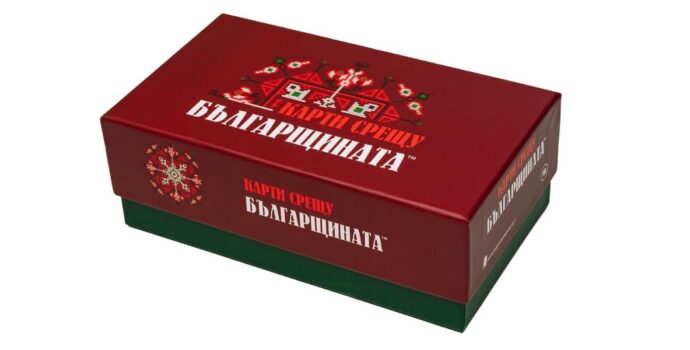
One of the most interesting cases in IP Fabrika's practice is related to the attempt to register the trademark "Cards against Bulgarianness". The case took us nearly three years and unfortunately resulted in...
Did you know that a trademark can be protected on an “intention to use” basis? This means that you can protect your trademark before you start using it in commerce.